Understanding Slot Spin Independence
Each spin on a slot machine is an independent event, meaning the outcome of a previous spin has no bearing on the outcome of the next spin. This independence is a fundamental principle of how modern slot machines are designed and regulated. The core technology behind this independence is the Random Number Generator (RNG). An RNG is a computer program that continuously generates sequences of numbers, even when the machine is not being played. When you press the spin button, the RNG stops at a specific number sequence, which then determines the symbols that appear on the reels.How RNGs Ensure Independence
The process by which an RNG operates ensures that each spin is entirely separate:- Continuous Generation: RNGs are always active, producing random numbers many times per second.
- Snapshot in Time: The moment you initiate a spin, the RNG’s current output is captured. This output dictates the result of that specific spin.
- No Memory: The RNG does not “remember” past results. It simply continues generating new numbers. This means it cannot adjust its output based on whether you’ve won or lost previously.
- Unpredictability: Because the numbers are generated randomly and continuously, it is impossible to predict the outcome of any given spin.
Common Misconceptions About Slot Outcomes
Many players hold beliefs that contradict the principle of spin independence:- “Hot” or “Cold” Machines: The idea that a slot machine becomes “hot” after a series of wins or “cold” after a series of losses is a misconception. Since each spin is independent, previous outcomes do not influence future ones.
- Cycle Theories: Some believe slot machines operate in cycles, where wins and losses follow a predictable pattern. However, the random nature of RNGs means no such cycles exist.
- Due for a Win: The belief that a machine is “due” for a win after many losses is also incorrect. Each spin has the same probability of winning, regardless of prior results.
Why Spin Independence Matters
The independence of slot spins is crucial for fair play. It ensures that every player has an equal chance of winning on every spin, and that the game’s long-term theoretical return to player (RTP) percentages are maintained. Without independent spins, games could be manipulated or become predictable, undermining the integrity of the game.What to Check Before Playing
When choosing a slot game, consider these factors to understand its potential outcomes:- Provider: Reputable game providers are audited to ensure their RNGs are truly random and fair.
- RTP Configuration: Check the game’s information for its Return to Player (RTP) percentage. This theoretical percentage indicates the long-term payout of the game.
- Volatility/Features: Understand the game’s volatility (frequency and size of payouts) and specific features, as these influence the playing experience.
- Betting Range: Ensure the betting limits align with your budget.
Required Knowledge: Understanding Slot Games
To fully appreciate the independence of slot spins, it’s helpful to understand the basic mechanics of how slot games operate:Game Objective
The primary objective in most slot games is to spin the reels and land a combination of matching symbols on active paylines. These combinations typically result in a payout according to the game’s paytable.Core Mechanics
Slot games typically consist of a grid of reels (e.g., 3×3, 5×3) displaying various symbols. When you initiate a spin, these reels rotate and then come to a stop, revealing a new set of symbols. The game then evaluates if any winning combinations have landed on pre-defined lines (paylines). The number and configuration of paylines can vary significantly between games.Stake/Bet Mechanics
Before each spin, players must place a bet. This usually involves selecting a ‘bet level’ or ‘coin value’ and sometimes the number of active paylines. The total stake per spin is calculated based on these selections. Higher stakes generally correspond to higher potential payouts for winning combinations, but do not influence the probability of winning a spin.Special Features
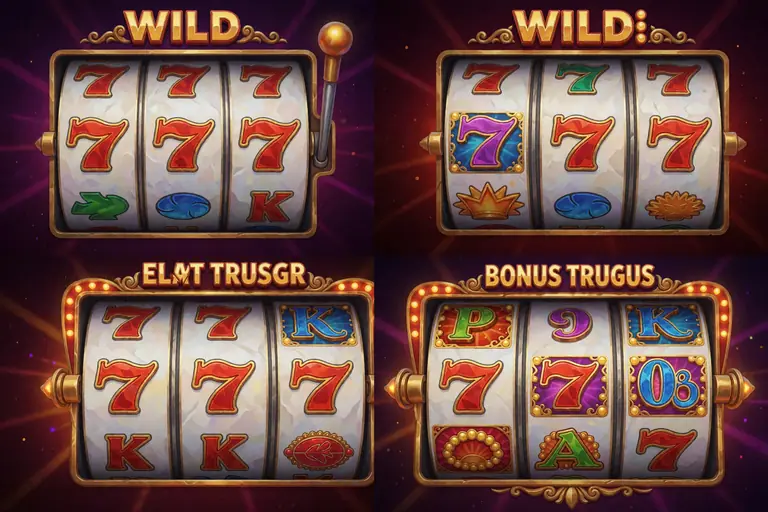
Many modern slot games include special features designed to enhance gameplay and offer additional winning opportunities. These can include:- Wild Symbols: These can substitute for most other symbols to help form winning combinations.
- Scatter Symbols: Often trigger bonus rounds or free spins, regardless of their position on paylines.
- Free Spins: A set number of spins where the player does not have to place a bet, often with multipliers or other enhancements.
- Bonus Rounds: Interactive mini-games that can award additional prizes.
- Multipliers: Increase the payout of a winning combination by a certain factor.
Frequently Asked Questions
Does playing a slot machine for a long time increase my chances of winning?
No, each spin is independent. The duration of play
does not alter the probability of winning on any subsequent spin. Can I use a strategy to predict when a slot machine will pay out?
Due to the Random Number Generator (RNG), it’s impossible to predict slot outcomes or develop a strategy that guarantees wins. Slots
are games of chance. Are online slots different from physical slot machines in terms of independence?
Both online and physical slot machines use RNGs to ensure spin independence and fairness. The underlying principle
is the same across both formats. What is the difference between RTP and volatility?
RTP (Return to Player) is the theoretical long-term percentage of all wagered money that a slot will pay back to players. Volatility (or variance) describes the risk level of a slot; high volatility means less frequent but larger wins, while low volatility means more frequent but smaller wins.